


Within the framework of labor transformation in Spain, the Ministry of Labor presented in February 2024 a draft bill that will mark a before and after in the way companies manage time registration and working hours.
This regulation, which will continue to apply in 2025, introduces three key changes: the mandatory digitalization of clocking in, remote access for the Labor Inspectorate, and the progressive reduction of working hours.
Mandatory Digital Clocking: The End of Paper Records
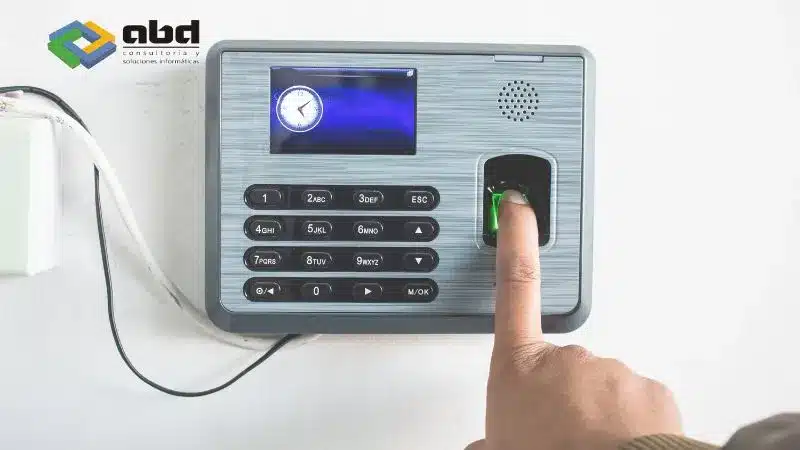
One of the central points of this transformation is the mandatory digital time registration. The use of paper templates or manual records will become obsolete, as they have proven to be easily manipulable and unreliable.
With digitalization, the Ministry seeks:
- To ensure greater transparency.
- To guarantee the integrity of the recorded data.
- To facilitate control for both companies and workers.
Additionally, in 2025 digital inspections will be intensified, so having an automated and up-to-date system will be more important than ever.
Telematic Access for the Labor Inspectorate

The new law also establishes that the Labor Inspectorate will be able to access time records remotely. This will avoid unnecessary on-site visits and enable more agile and less intrusive reviews.
For companies, this represents:
- Fewer operational interruptions.
- Faster audits.
- Greater responsibility for compliance.
Important for 2025: it is expected that the Inspectorate will intensify its use of telematic tools to monitor organizations in real time.
Progressive Reduction of Working Hours: 2024 and 2025

One of the most discussed aspects is the reduction of the working hours. The reform proposes:
- From 2024: weekly working hours of 38.5 hours.
- From 2025 onwards: weekly working hours of 37.5 hours.
This change aims to improve work-life balance, but poses a challenge for scheduling and shift planning, especially for SMEs with limited resources.
What happens if I do not comply with the new regulations?

Penalties for non-compliance can be significant:
- Up to €10,000 per worker for not correctly registering hours.
- In part-time contracts, lack of registration will be considered full-time by default.
Additionally, tools like Excel or manual time tracking will no longer be valid, as they do not guarantee the traceability or security required by the new legislation.
What is the best alternative for registering working hours?

To meet this need, at ABD Consulting and IT Solutions we offer Factorial, an HR software with digital time control that meets all legal requirements and is adapted to the new demands of 2024 and 2025.
Advantages of Factorial:
- Automatic recording of worked hours.
- Remote access for the Labor Inspectorate.
- Secure storage of records for 4 years.
- Customization according to your company's collective agreement and shifts.
- Compatible with the new 37.5-hour weekly schedule planned for 2025.
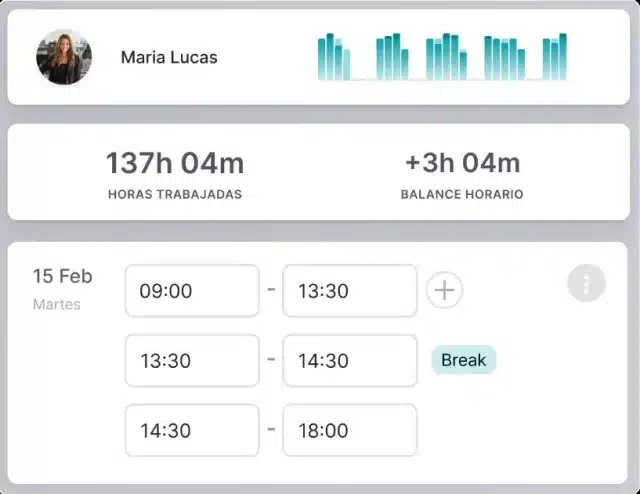
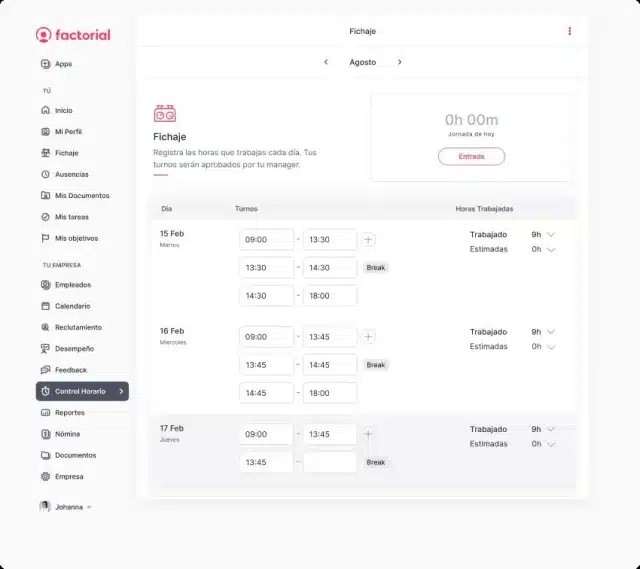
https://www.youtube.com/watch?time_continue=53&v=ILI09rB-U0Q&embeds_referring_euri=https%3A%2F%2Ffactorialhr.es%2F&source_ve_path=Mjg2NjY
ABD Consulting: your ally to comply with labor transformation

At ABD, we have been helping companies digitalize their processes for over 30 years. As specialists in HR software and business transformation, we accompany you to adapt to the 2025 labor regulations with guarantees.
Do you have questions? Do you want to implement a legal and efficient time control system?
Contact us and we'll help you step by step.
Prepare for the change: learn all the details in our webinar
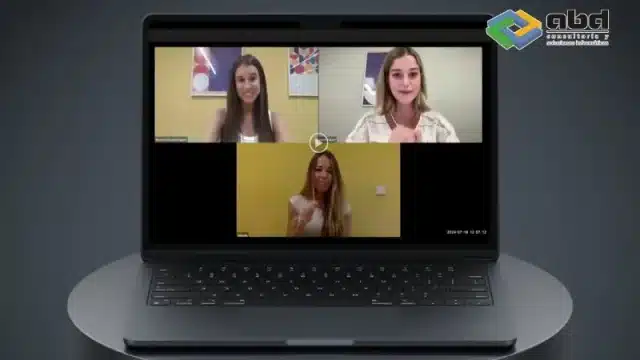
To help you understand how this labor reform impacts you and what actions to take, at ABD we have prepared a free webinar on mandatory digital time tracking and working hours reduction.
Access the full video by filling out the form with your email and discover how to adapt your company to this new stage.