
Phishing remains one of the most common and dangerous threats for companies in 2025. Despite technological advances, many organizations continue to fall into digital traps that compromise sensitive data, bank accounts, and corporate reputation.
In this guide, we explain what phishing is, how it can affect your company, and what measures you can take to prevent it.
What is phishing?
Phishing is a social engineering technique designed to trick users into revealing confidential information such as passwords, banking details, or access credentials. It usually appears in the form of:
- Fake emails that imitate banks, suppliers, or even coworkers.
- Messages containing malicious links or infected attachments.
- Fake websites that appear to be legitimate.
How can it affect your company?
The consequences of a phishing attack can be devastating:
- Loss of confidential data from customers or employees.
- Unauthorized access to internal systems.
- Corporate identity theft.
- Reputational damage and loss of trust.
- Legal penalties for failing to comply with regulations such as the GDPR.
Real phishing cases in companies
Phishing attacks against companies are not a theoretical threat. Every year, thousands of incidents are reported, many of them with serious economic and reputational consequences. From small and medium-sized businesses to large corporations, no organization is exempt from becoming a target of these social engineering techniques.
A frequent case involves a fraudulent email impersonating trusted suppliers, requesting an urgent update of banking information. On more than one occasion, companies have made payments to fake accounts, resulting in losses of tens of thousands of euros.
Targeted phishing attacks aimed at HR or Finance departments are also common, where an attacker pretends to be a senior executive requesting transfers or sensitive information. These attacks, known as Business Email Compromise (BEC), have increased in frequency in recent years and represent one of the main digital threats for organizations in 2025.
Even public and healthcare sectors have been targeted by phishing, with outcomes ranging from data hijacking to service disruption. In many of these cases, cybercriminals used malicious links or attachments containing malware which, once opened by an employee, compromised the entire internal network.
These examples highlight the need for a solid corporate cybersecurity strategy that combines continuous training, advanced technology, and incident response protocols.
Tips to prevent phishing
Continuous training
Train your employees to identify suspicious emails.
Two-factor authentication (2FA)
Add an extra layer of security to your accounts.
Anti‑phishing filters
Use security solutions that detect and block malicious emails.
Do not click on suspicious links
Always verify the sender’s address and the URL.
Phishing simulations
Carry out internal tests to assess the team’s readiness.
Constant updates
Keep all your systems and antivirus up to date.
What if you’ve already been a victim?
Act quickly:
• Change the affected passwords.
• Inform the IT team or your security provider.
• Notify customers if their data has been compromised.
• Report the incident to the relevant authorities.
How to prevent phishing attacks in 2025: final recommendations
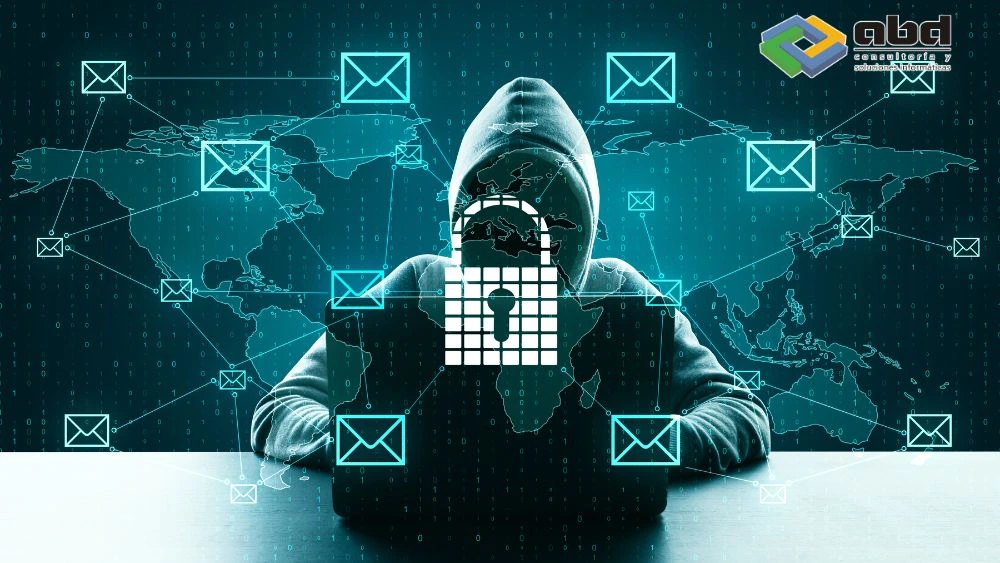
Phishing is not only a technical problem but also a human one. This type of social engineering attack continues to evolve and adapt, making it a constant threat to organizations. For this reason, protecting your company from phishing should be a strategic priority within your cybersecurity
The best defense combines data protection technology and advanced tools such as anti‑phishing filters and two‑factor authentication, together with cybersecurity training for all employees. Prevention begins with awareness, but it is sustained by a security‑focused organizational culture.
At ABD Consulting, we help you safeguard your company with cybersecurity solutions tailored to your industry and size. Whether you need an audit, specialized training, or protection software, we are here to support you.
Do you want to strengthen your company’s security? Contact us and discover how to prevent phishing attacks before it’s too late.